
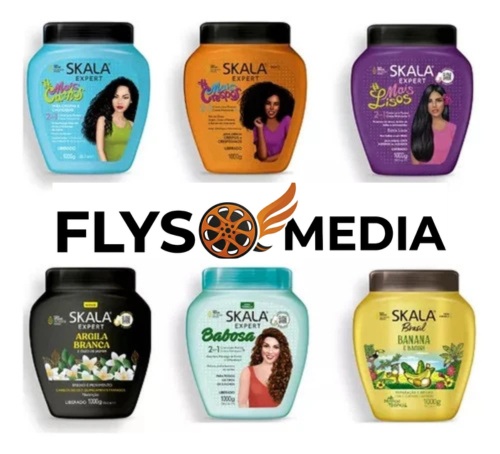
What is skala and why is everyone talking about it?
If you’ve searched for skala, you’ve likely seen it trending across TikTok, YouTube, and curly hair forums. skala refers to Skala Cosméticos, a Brazilian haircare company known for affordable, vegan-friendly products designed mainly for textured hair.
- What is skala and why is everyone talking about it?
- Why is skala so popular in the U.S. haircare market?
- What are the key ingredients in skala products?
- Which skala products are the most popular?
- Is skala good for curly and coily hair?
- How do you use skala hair cream correctly?
- What are the pros and cons of skala?
- Does skala work for all hair types?
- How Does skala Compare to Cantu and Other Brands?
- Can skala cause buildup or damage?
- Is skala safe for long-term use?
- How to build a complete skala hair routine?
- Is This Brand Curly Girl Method Approved?
- Frequently asked questions
- Conclusion: Is skala worth trying?
- Summary of Findings
What makes skala stand out is simple:
- Large, budget-friendly packaging
- Multi-use formulas (conditioner, mask, leave-in)
- Focus on curly, coily, and wavy hair types
In the U.S., it has gained popularity among people following the Curly Girl Method and those looking for low-cost alternatives to premium brands.
Why is skala so popular in the U.S. haircare market?
skala didn’t become popular by accident. It fills a gap many brands ignore.
Here’s why users keep coming back:
- Affordable pricing compared to brands like SheaMoisture and Cantu
- Vegan and cruelty-free formulas
- Works for curl types from 2A to 4C
- Simple routines with fewer products
Many U.S. users, especially those transitioning to natural hair, prefer skala because it reduces cost without complicating routines.
What are the key ingredients in skala products?
skala uses plant-based ingredients commonly found in Brazilian beauty traditions.
Common ingredients and their benefits:
| Ingredient | Benefit |
|---|---|
| Aloe Vera | Hydration and scalp soothing |
| Shea Butter | Deep moisture and softness |
| Coconut Oil | Shine and reduced protein loss |
| Argan Oil | Smoothness and frizz control |
| Banana Extract | Strength and elasticity |
These ingredients support:
- Moisture retention
- Curl definition
- Frizz control
However, results depend on hair porosity and routine.
Which skala products are the most popular?
skala offers multiple product lines, each targeting a specific need.
Top-performing lines:
- Mais Cachos → Curl definition and hydration
- Babosa (Aloe Vera) → Scalp care and moisture
- Maracujá (Passion Fruit) → Strength and shine
- Skala Expert → Deep conditioning treatments
Quick comparison:
| Product Line | Best For | Hair Type |
|---|---|---|
| Mais Cachos | Curl definition | 2B–4C |
| Babosa | Dry scalp | All types |
| Maracujá | Weak hair | Damaged hair |
| Expert | Deep repair | Chemically treated |
Is skala good for curly and coily hair?
Yes, but with conditions.
skala works best for:
- Low to medium porosity hair
- Loose to tight curls (2A–4C)
- People using the co-wash method
Real-life use case:
A user in Texas with 3B curls reported:
- Softer curls after 1 week
- Less frizz
- But buildup after daily use
This shows skala is effective—but needs proper use.
How do you use skala hair cream correctly?
One major reason people struggle with skala is incorrect usage.
You can use it in three ways:
1. As a conditioner
- Apply after shampoo
- Leave for 3–5 minutes
- Rinse thoroughly
2. As a deep mask
- Apply generously
- Leave for 15–30 minutes
- Use weekly
3. As a leave-in
- Use a small amount
- Apply on damp hair
- Style as usual
Pro tip:
Avoid heavy application on the scalp to reduce buildup.
What are the pros and cons of skala?
Pros:
- Budget-friendly
- Vegan and cruelty-free
- Multi-use products
- Widely available
Cons:
- Can cause buildup if overused
- Not rich enough for very dry hair
- Some users report scalp irritation
Does skala work for all hair types?
Not equally.
Best results:
- Curly hair (2B–3C)
- Coily hair (4A–4C) with added oils
Mixed results:
- Straight hair
- Very high porosity or bleached hair
Why?
skala products are lightweight.
Some hair types need heavier butters or proteins.
How Does skala Compare to Cantu and Other Brands?
Many people ask how this Brazilian brand stacks up against familiar US brands like Cantu or SheaMoisture. Here is a quick comparison based on real usage.
| Brand | Price per Ounce | Ingredient Focus | Best For |
| skala | Very Low | Brazilian Botanicals | Daily moisture, multi-use, CGM approved |
| Cantu | Medium | Shea Butter | Thick curl definition, strong hold |
| SheaMoisture | Medium to High | Raw Shea, Coconut Oil | Intensive damage repair, heavy moisture |
We find that Cantu offers more styling hold, but it can leave a crunchy feeling. The Brazilian option leaves hair much softer and is generally lighter on the strands.
Can skala cause buildup or damage?
Yes, but only if misused.
Why buildup happens:
- Overuse of leave-in
- No clarifying shampoo
- Applying too close to scalp
Prevention tips:
- Clarify hair once a week
- Use small amounts
- Rotate products
This is one of the biggest content gaps most blogs ignore.
Is skala safe for long-term use?
For most users, yes.
But consider:
- Rotate with protein treatments
- Monitor scalp health
- Adjust based on climate (humidity matters in states like Florida)
Long-term success depends on routine, not just product.
How to build a complete skala hair routine?
Simple 3-step routine:
- Cleanse → Mild sulfate-free shampoo
- Condition → skala cream
- Style → Light leave-in application
Optional:
- Add oils like argan or castor oil
- Use gel for curl hold
Is This Brand Curly Girl Method Approved?
Yes, almost all of their popular products fit the Curly Girl Method perfectly. The CGM requires you to avoid sulfates, silicones, waxes, and drying alcohols. Because the brand uses plant-based ingredients and avoids harsh chemicals, it fits right into this healthy hair routine. It is a fantastic option for co-washing. Co-washing means you wash your hair with conditioner instead of shampoo to retain natural oils.
Frequently asked questions
What is skala used for?
skala is used for conditioning, deep treatment, and styling hair.
Is skala good for 4C hair?
Yes, but often works best when paired with oils or heavier products.
Can I use skala every day?
Yes, but use small amounts to prevent buildup.
Is skala Curly Girl Method approved?
Most variants are free from sulfates, silicones, and parabens.
Which skala is best for dry hair?
Babosa and Maracujá lines are popular for hydration.
Conclusion: Is skala worth trying?
skala is not a miracle product—but it doesn’t need to be.
It succeeds because it delivers:
- Solid hydration
- Easy routines
- Affordable pricing
For beginners and budget-conscious users in the U.S., it’s a strong entry point into haircare.
But if you expect salon-level repair or have highly damaged hair, you may need to combine it with more intensive treatments.
Summary of Findings
- skala is a Brazilian haircare brand focused on affordability
- Best suited for curly and textured hair
- Works as conditioner, mask, and leave-in
- Requires proper usage to avoid buildup
- Results vary based on hair type and routine
- Always match product to hair porosity
- Avoid overusing as a leave-in
- Combine with other treatments if needed
- Not all variants work the same
- Patch test if you have a sensitive scalp