
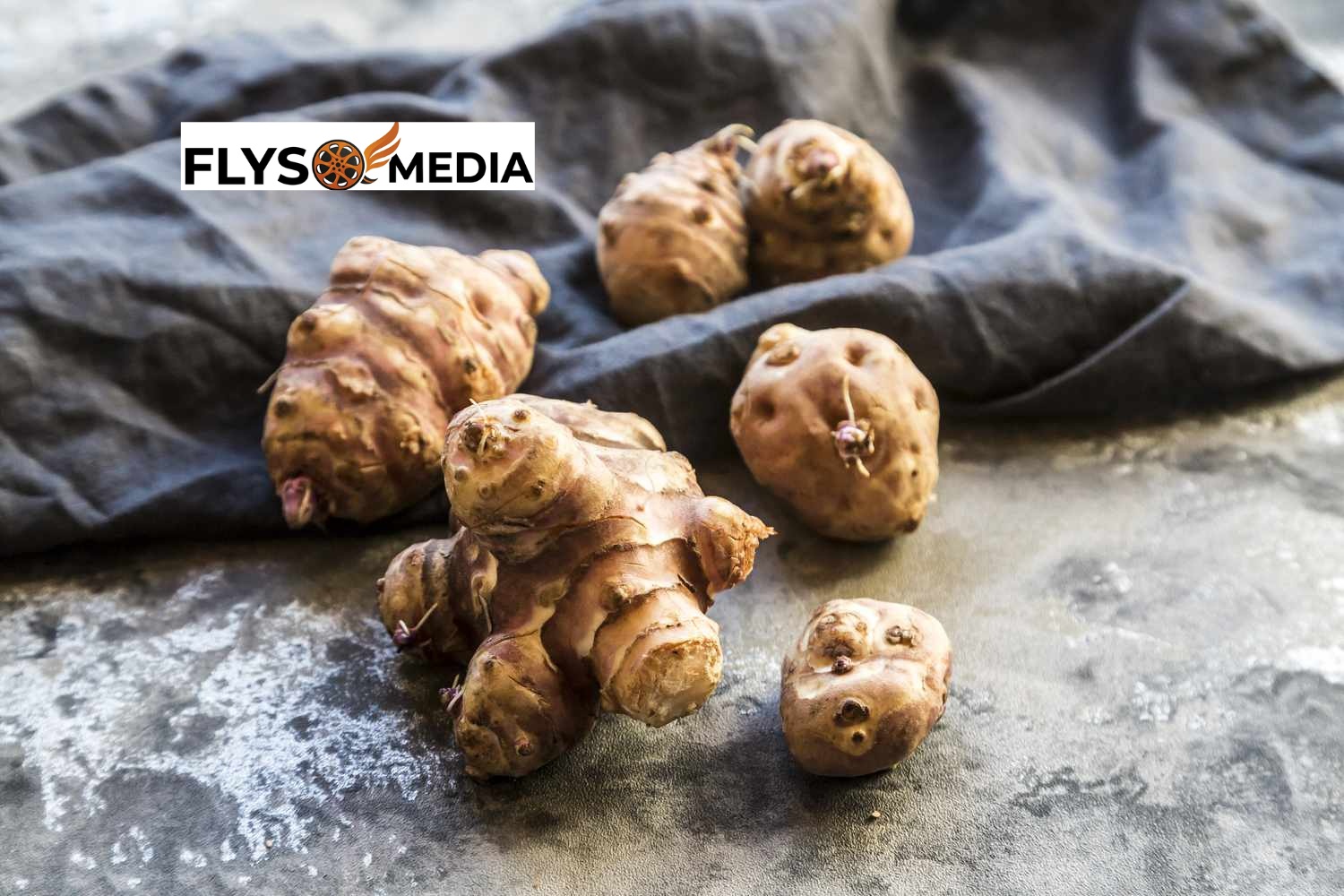
What is a sunchoke and why is it trending again?
A sunchoke is a root vegetable that looks like ginger but grows from a sunflower plant. You may also hear it called a Jerusalem artichoke. Despite the name, it is not related to artichokes and has no link to Jerusalem.
- What is a sunchoke and why is it trending again?
- What does a sunchoke taste like and how is it different from a potato?
- What nutrients are found in a sunchoke?
- Are sunchokes good for gut health and digestion?
- Why do sunchokes cause gas and how can you avoid it?
- Can you eat sunchoke raw or should it be cooked?
- What are the best ways to cook sunchoke at home?
- Is sunchoke low carb and suitable for keto diets?
- How do you grow sunchoke in your backyard?
- What are the side effects of eating sunchoke?
- Sunchoke vs potato: which is healthier?
- What are the best sunchoke recipes to try first?
- Key Takeaways
- Conclusion: Should you add sunchoke to your diet?
- Important Points to Remember
In recent years, sunchoke has gained attention in the U.S. due to rising interest in gut health, low glycemic foods, and home gardening. It is now showing up in farmers’ markets, restaurant menus, and even backyard gardens across states like California and Oregon.
If you are wondering whether sunchoke is worth trying, this guide covers everything—from nutrition and taste to cooking tips and side effects.
What does a sunchoke taste like and how is it different from a potato?
Sunchoke has a mild, nutty flavor. Many people describe it as a mix of potato and water chestnut.
Here’s how it compares:
| Feature | Sunchoke | Potato |
|---|---|---|
| Texture (raw) | Crunchy | Firm |
| Texture (cooked) | Creamy | Soft |
| Flavor | Nutty, slightly sweet | Mild, starchy |
| Carbs | Lower digestible carbs | Higher carbs |
| Fiber | High (inulin) | Moderate |
In real kitchens, chefs often use sunchoke as a potato alternative in soups or roasted dishes.
What nutrients are found in a sunchoke?
Sunchoke stands out because of its unique fiber content.
Key nutrients:
- Fiber (especially prebiotic inulin)
- Iron
- Potassium
- Magnesium
Why inulin matters:
Inulin is a type of fiber that feeds good gut bacteria. This makes sunchoke a gut-friendly vegetable.
Unlike potatoes, sunchoke stores energy as inulin instead of starch. This changes how your body digests it.
Are sunchokes good for gut health and digestion?
Yes, but with a catch.
Sunchoke supports the gut microbiome because it contains prebiotic fiber. This helps beneficial bacteria grow.
Potential benefits:
- Better digestion over time
- Improved gut balance
- Support for immune function
However, if your gut is not used to high fiber, it can react strongly.
Why do sunchokes cause gas and how can you avoid it?
This is the most searched question—and for good reason.
Sunchoke contains inulin, which ferments in the gut. This can lead to gas and bloating. Some people jokingly call it “fartichoke.”
How to reduce bloating:
- Start with small portions
- Cook instead of eating raw
- Roast or boil for longer time
- Pair with herbs like ginger or fennel
- Avoid overeating in one sitting
Real-life tip:
A home cook in Texas shared that slow-roasting sunchokes for 40 minutes reduced digestive issues compared to eating them raw in salads.
Can you eat sunchoke raw or should it be cooked?
You can eat sunchoke raw, but it is not always the best idea.
Raw:
- Crunchy texture
- Stronger effect on digestion
Cooked:
- Easier to digest
- Sweeter, richer flavor
Best approach:
If you are new to sunchoke, start with cooked versions like roasted or mashed.
What are the best ways to cook sunchoke at home?
Cooking sunchoke is simple, but technique matters.
Popular cooking methods:
- Roasting (best flavor)
- Boiling (good for soups)
- Mashing (like potatoes)
- Sautéing (quick and crispy)
Easy roasted sunchoke recipe:
- Wash and slice sunchokes
- Toss with olive oil and salt
- Roast at 400°F for 30–40 minutes
Pro tip:
Leave the skin on. It adds flavor and nutrients.
Is sunchoke low carb and suitable for keto diets?
This is where things get interesting.
Sunchoke is often labeled as “low carb,” but that depends on how you measure it.
Key facts:
- Lower digestible carbs than potatoes
- High in fiber (inulin)
- Minimal impact on blood sugar for many people
Keto perspective:
Some keto followers include small portions of sunchoke due to its low glycemic response. However, others avoid it due to fermentation effects.
How do you grow sunchoke in your backyard?
Sunchoke is one of the easiest crops to grow in the U.S.
Why gardeners love it:
- Grows in poor soil
- Requires little maintenance
- Produces high yield
How to grow:
- Plant tubers in spring
- Choose sunny spot
- Water occasionally
- Harvest in fall
Important warning:
Sunchoke spreads aggressively. Many gardeners in states like Colorado report that it behaves like a weed if not controlled.
What are the side effects of eating sunchoke?
While sunchoke is healthy, it is not perfect for everyone.
Common side effects:
- Gas
- Bloating
- Digestive discomfort
Who should be careful:
- People with sensitive digestion
- Those new to high-fiber foods
Smart approach:
Introduce sunchoke slowly into your diet.
Sunchoke vs potato: which is healthier?
This comparison is a major search trend.
Quick breakdown:
| Category | Sunchoke | Potato |
|---|---|---|
| Fiber | High | Medium |
| Glycemic impact | Lower | Higher |
| Calories | Lower | Higher |
| Digestibility | Variable | Easy |
Conclusion:
Sunchoke can be a better choice for gut health and blood sugar control, but potatoes are easier to digest.
What are the best sunchoke recipes to try first?
If you are new, start simple.
Beginner-friendly recipes:
- Roasted sunchoke with garlic
- Creamy sunchoke soup
- Sunchoke mash
- Sunchoke salad with lemon dressing
Real use case:
A New York restaurant featured roasted sunchoke as a seasonal side dish. Customers preferred it over fries due to its unique flavor.
Key Takeaways
- Sunchoke is a tuber from the sunflower family
- It is rich in prebiotic fiber called inulin
- Supports gut health but may cause gas
- Tastes nutty and slightly sweet
- Works well as a potato alternative
- Easy to grow but can spread quickly
- Best eaten cooked for easier digestion
Conclusion: Should you add sunchoke to your diet?
Sunchoke is not just another trendy vegetable. It offers real benefits, especially for gut health and nutrition.
However, it is not for everyone. The same fiber that makes it healthy can also make it uncomfortable if eaten the wrong way.
If you approach it smartly—cook it well, eat small portions, and give your body time to adjust—sunchoke can become a valuable addition to your diet.
Important Points to Remember
- Start with small portions
- Cooking reduces digestive issues
- Not a true low-carb vegetable, but lower glycemic
- Great for gut health if tolerated
- Ideal for home gardening